


Effective Healthy Eating Strategies for Lasting Wellness

Eating well is something we all want to do, but it can feel overwhelming with so much advice out there. How do you find a way that fits your life and helps you feel your best? I’ve learned that healthy eating isn’t about strict rules or quick fixes. It’s about simple, effective strategies that you can stick with day after day. Let’s explore some practical ways to make healthy eating a natural part of your routine.
Simple and Sustainable Healthy Eating Strategies
When I talk about healthy eating strategies, I mean approaches that are easy to follow and don’t require drastic changes overnight. The goal is to build habits that support your health long term. Here are some of my favorite strategies that anyone can try:
Plan your meals ahead: Taking a little time each week to plan meals helps avoid last-minute unhealthy choices. It also makes grocery shopping easier and more focused.
Focus on whole foods: Choose foods that are as close to their natural state as possible. Think fresh fruits, vegetables, whole grains, nuts, seeds, and lean proteins.
Balance your plate: Aim for a mix of macronutrients at each meal. Include protein, healthy fats, and fiber-rich carbs to keep you full and energized.
Stay hydrated: Drinking enough water is often overlooked but is key to feeling good and supporting digestion.
Practice mindful eating: Slow down and pay attention to your hunger and fullness cues. This helps prevent overeating and makes meals more satisfying.
These strategies aren’t about perfection. They’re about progress and finding what works for you. Have you tried any of these before? What felt easiest or hardest?
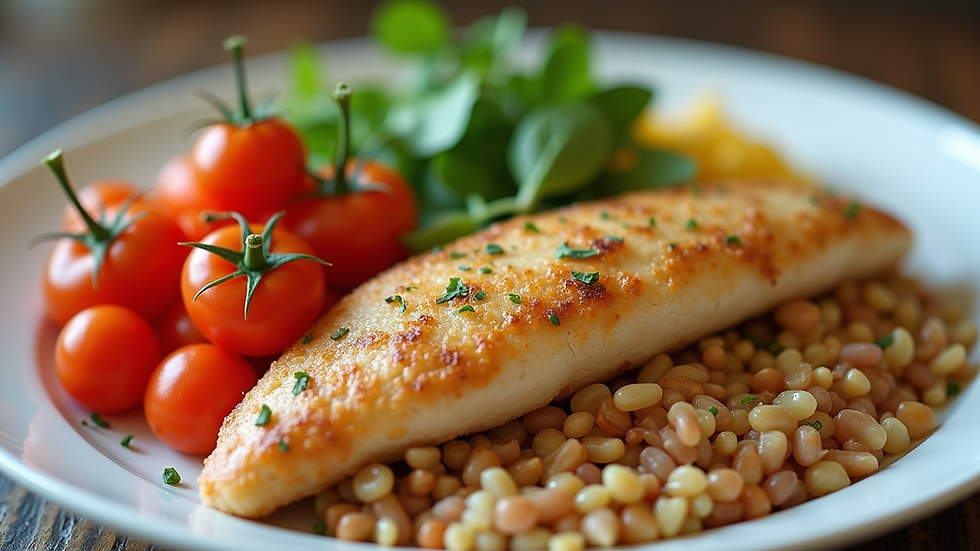
How to Make Healthy Eating Strategies Work for You
It’s one thing to know what to do, but another to actually do it consistently. Here’s how I suggest making these strategies fit your lifestyle:
Start small: Pick one or two changes to focus on each week. Maybe it’s adding an extra serving of veggies or swapping soda for water.
Create a routine: Try to eat meals around the same time each day. This helps regulate your appetite and energy levels.
Prep in advance: Chop veggies, cook grains, or portion snacks ahead of time. This saves time and reduces the temptation to grab less healthy options.
Keep healthy snacks handy: Nuts, fruit, or yogurt can keep hunger at bay and prevent overeating later.
Be flexible: Life happens. If you miss a meal or indulge a bit, don’t stress. Just get back on track with your next meal.
Remember, the best healthy eating strategies are the ones you can maintain without feeling deprived or overwhelmed. What small step could you take today to improve your eating habits?
What is the 3-3-3 Rule of Eating?
You might have heard about the 3-3-3 rule, a simple guideline to help balance your meals and snacks throughout the day. It’s easy to remember and can support steady energy and appetite control.
Eat every 3 hours: This keeps your metabolism active and prevents extreme hunger.
Include 3 food groups: At each meal or snack, try to include protein, carbohydrates, and healthy fats.
Drink 3 glasses of water: Spread throughout the day to stay hydrated.
For example, a snack could be Greek yogurt (protein), a handful of berries (carbs), and a few almonds (healthy fats). This combination helps keep blood sugar stable and reduces cravings.
The 3-3-3 rule is a great way to build balanced eating habits without overthinking. Have you tried this approach before? It might be just the structure you need.

Tips for Overcoming Common Challenges
Even with the best intentions, sticking to healthy eating strategies can be tough. Here are some common hurdles and how to tackle them:
Busy schedules: When time is tight, batch cooking or using a slow cooker can save the day. Keep quick, healthy options like pre-washed salad greens or canned beans on hand.
Eating out: Choose grilled or baked options, ask for dressings on the side, and load up on veggies. Don’t be afraid to customize your order.
Cravings: Instead of fighting cravings, try to satisfy them with healthier alternatives. Craving something sweet? Fresh fruit or a small piece of dark chocolate can do the trick.
Emotional eating: Find other ways to cope with stress, like walking, journaling, or talking to a friend. Mindful eating can also help you recognize when you’re truly hungry versus eating for comfort.
By anticipating these challenges, you can plan ahead and stay on track with your goals. What challenges do you face most often? How might you prepare for them?
Embracing Healthy Eating Tips for a Positive Relationship with Food
Healthy eating is more than just what’s on your plate. It’s about how you feel about food and yourself. I encourage you to approach your nutrition journey with kindness and curiosity. Celebrate your successes, learn from setbacks, and remember that every meal is a new opportunity.
If you’re looking for more guidance, check out these healthy eating tips that offer practical advice and inspiration. Small changes add up to big results over time.
By adopting these strategies, you’re not just improving your diet—you’re building a foundation for lasting health and well-being. What’s one thing you’re excited to try this week?
Eating well doesn’t have to be complicated. With the right strategies, you can enjoy nourishing meals that support your goals and fit your lifestyle. Keep it simple, stay consistent, and be gentle with yourself along the way. Your body and mind will thank you.


Comments